Scissor vs. boom: quick framework
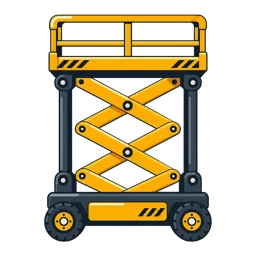
- Vertical, overhead work with room directly below: Scissor lift
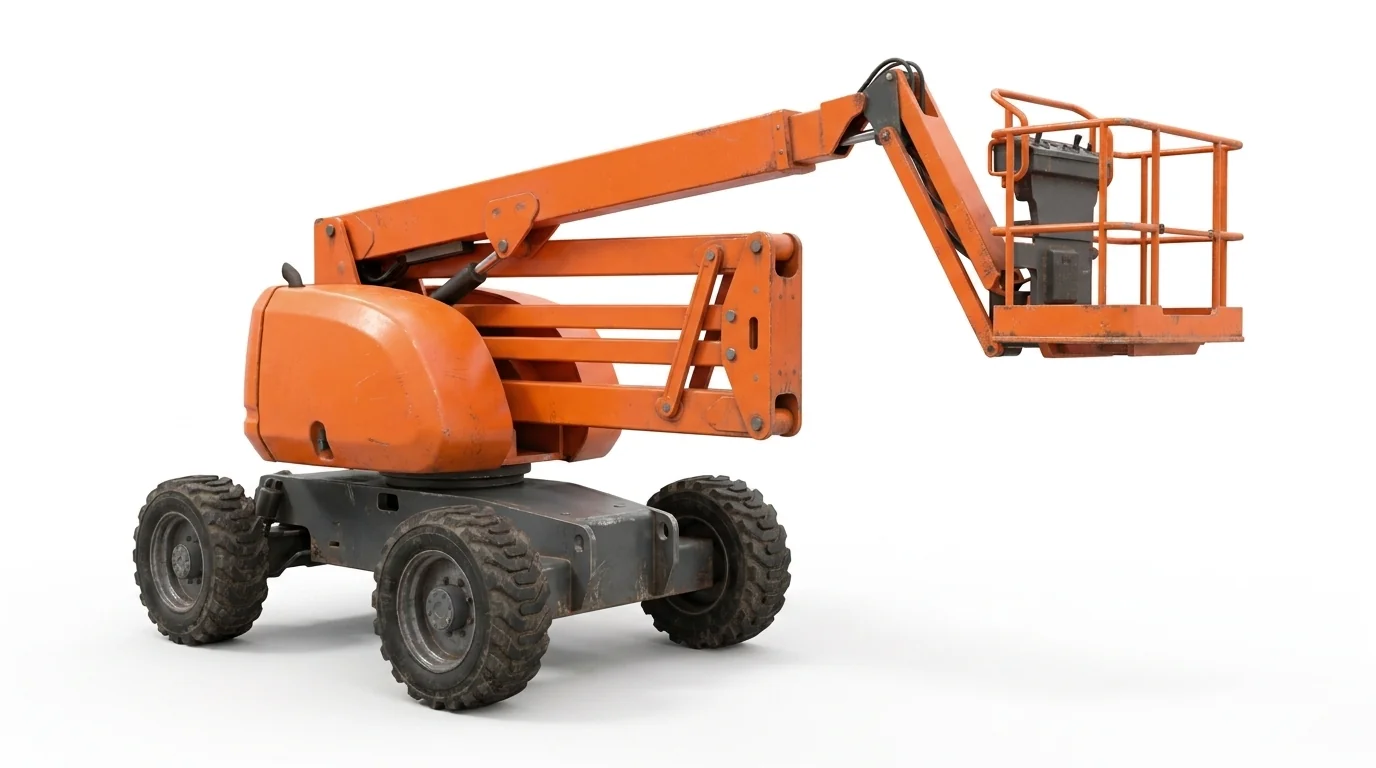
- Work beyond a setback, over equipment, or around obstacles: Boom lift
- Tight indoor aisles and finished floors: Electric scissor
- Variable outdoor ground or unfinished sites: Rough‑terrain scissor or boom
Explore /electric-scissor-lift-rental/ and /rough-terrain-scissor-lift-rental/ for scissor details, or continue to /boom-lift-rental/ for boom types.
Local factors in Omaha
- Clay‑rich soils outside can soften during thaw and after rain, changing ground support
- Climate‑controlled logistics interiors favor low‑emission units with non‑marking tires
- Expansion corridors add long travel paths through active yards and staging areas
Measurements that drive selection
- Working height and any horizontal reach needed past façades or equipment
- Maximum machine width and stowed height for doors and aisles
- Floor loading and surface sensitivity indoors
- Approach grades and surface consistency outdoors
Common pairings on Omaha jobs
- Scissor plus telehandler for panel handling and placement: see /telehandler-rental/
- Boom plus forklift for dock support and parts movement: see /forklift-rental/
Keep the comparison specific
A useful equipment discussion starts with the work height, the practical machine position, the route into the area, the floor or ground along that route, and the people, tools, or material involved. Those details clarify whether vertical access, outreach, or material placement is the real constraint.