Define the reach and the setback
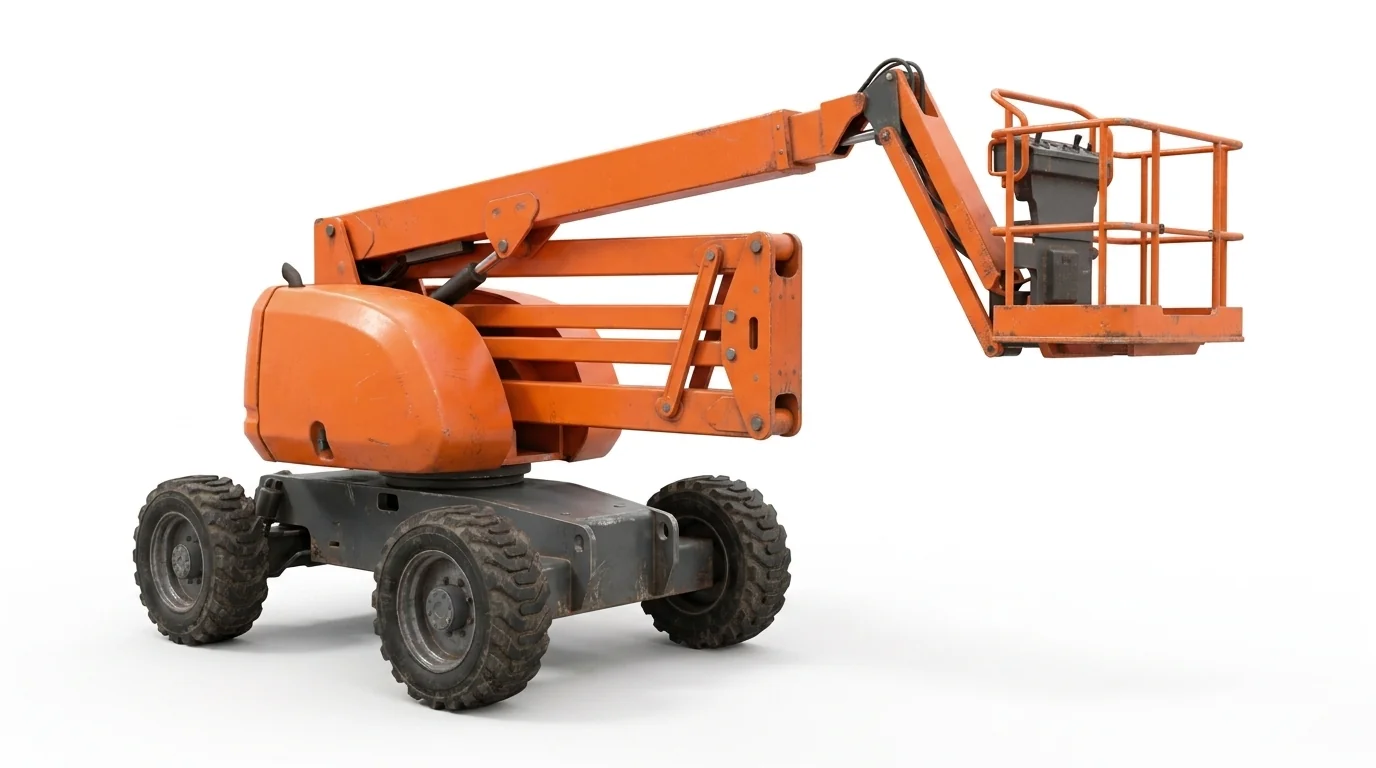
- Can the machine park on firm ground directly below the work? If not, measure the horizontal distance from the setup pad to the target edge. Telescopic sections deliver reach without articulating joints, which helps on clean shots across aprons and yards.
- How high is the work relative to the parking position? The operating envelope shifts with elevation; confirm reach at the intended working height.
Local ground and weather factors
- Clay-heavy soils in Omaha can soften during thaw and after extended moisture, especially on unpaved yards. That may influence tire type and whether a rough-terrain configuration is appropriate for the approach and setup. Actual site conditions, the selected unit’s instructions, and job procedures govern feasibility.
- Winds across open industrial areas can be inconsistent. Plan around site wind policies and the machine’s published limits for the intended platform load and outreach.
When a straight boom beats an articulating boom
- Clear line-of-sight to the work with no need to “reach over” obstacles.
- Long façade runs where the machine repositions along a setback lane.
- Elevated work on tall exterior walls of logistics or production buildings where interior access is restricted.
Planning checkpoints
- Setback distance and elevation at the same time, not separately.
- Platform capacity vs. outreach at height.
- Ground slope and firmness where the unit will sit and slew.
Omaha use cases
- Exterior lighting, façade maintenance, stack work, and signage on industrial campuses where staging on slabs or stabilized gravel keeps the unit off soft ground.
Related categories
- Need to reach over a canopy or parapet? See articulating booms.
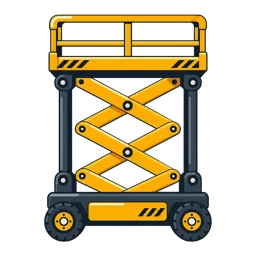
- Mostly indoor, vertical access on clean slabs? Consider an electric scissor or vertical mast lift.
Contact
Share site drawings, setback measurements, and surface notes via contact.