Start with the work geometry
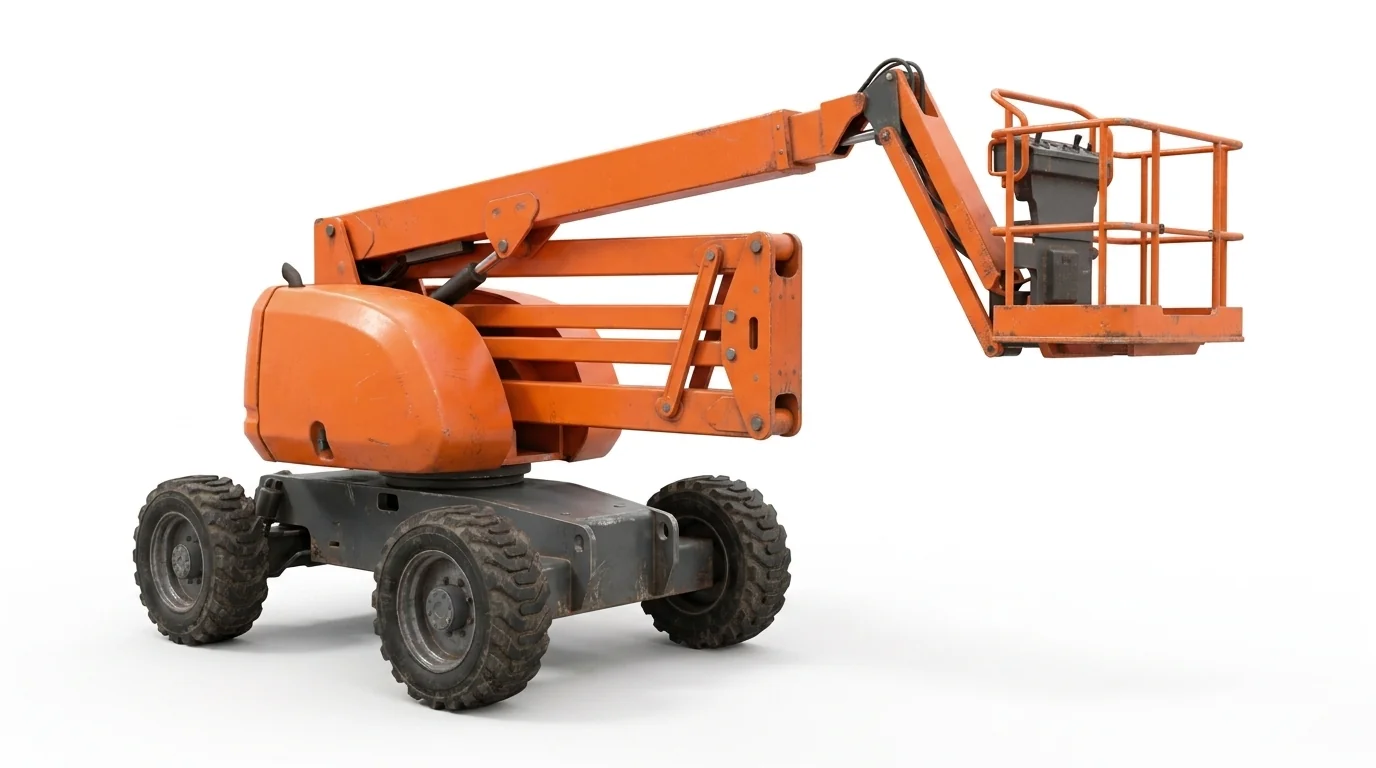
- Is the task blocked by parapets, canopies, or stacked racking? If so, an articulating boom’s knuckle lets the platform rise, reach over, then descend to the work.
- Can the machine sit below the task? If the setup area is recessed or on a lower apron, the boom’s up-and-over envelope becomes the deciding factor.
- How tight is the approach path? Joints and a rotating jib help position in corners and between building elements.
Omaha site conditions that change the pick
- Spring thaw and wet periods leave clay-based soils soft. Exterior approaches may need rough-terrain configurations with higher flotation to reduce sink-in while maneuvering to the setup pad. Actual soil conditions, the selected unit’s instructions, and site procedures govern what’s acceptable.
- Many local distribution buildings run clean, polished slabs. For those interiors, electric articulating booms with non-marking tires limit floor impact and emissions.
Power and surface considerations
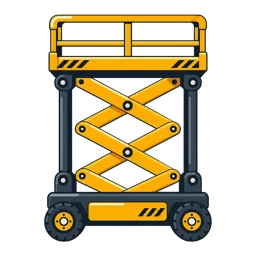
- Indoors: Electric articulating booms typically match maintenance in climate-controlled spaces. Measure doorway heights, slab load limits, and turning aisles between racking. Pairing with an electric scissor may cover widespread low-elevation tasks.
- Outdoors: Diesel or hybrid rough-terrain models favor uneven yards and utility work. Compare ground slope on the setup pad and the distance from firm access to the work face. For long exterior reaches without obstacles, see telescopic booms.
Envelope and clearance checkpoints
- Up-and-over height: Confirms whether the elbow clears roof edges or conveyors before dropping in.
- Horizontal reach at working height: Some tasks appear reachable until the boom is articulated; verify the chart at the required elevation.
- Platform capacity and attachments: The total working load may restrict how far the boom can articulate at height.
Common Omaha applications
- Dock canopy lighting, façade repairs over awnings, and signage above sidewalks along busy industrial corridors.
- Conveyor, pipe, and utility runs inside large distribution environments where obstacles block straight-line access.
Related categories
- Need straight-line reach for exterior elevation from a setback? Visit telescopic booms.
- Working primarily on flat, clean slabs with vertical work under 40 feet? Compare an electric scissor.
Contact
Have site drawings or photos of the obstacle path? Share them through contact.