Define the work and the route
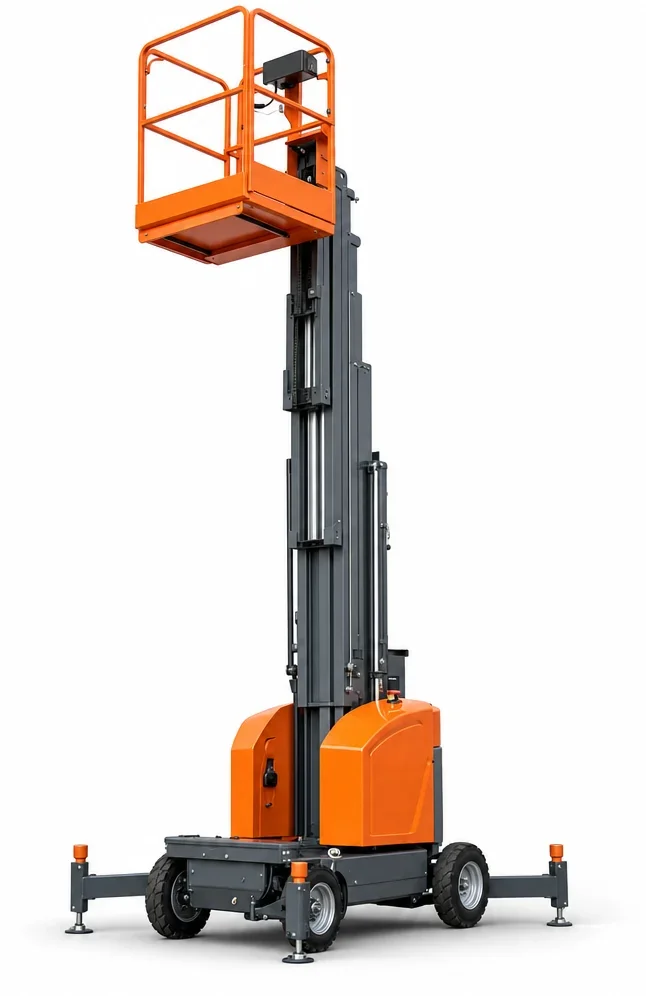
- Is the task directly overhead with limited lateral reach? Vertical masts excel at straight-up maintenance.
- What are the narrowest doorway and aisle on the route? These numbers often favor a mast lift over a small scissor.
- Are there sensitive floor finishes or temperature-controlled zones? Non-marking tires and electric power align with those interiors.
Local facility factors
- High-density storage and conveyor lines in Omaha’s distribution buildings create pinch points that challenge turning radii. Platform height and machine width must both clear these constraints.
- Some facilities transition between ambient and cold areas. Condensation and traction expectations vary by zone; site procedures and the unit’s instructions govern suitability.
When a mast beats a scissor or boom
- One-person inspections, sensor swaps, low-weight fixtures, and overhead utilities in tight corridors.
- Mezzanine access where guardrails and doorways restrict machine width.
- Quick tasks across multiple locations when transport speed and doorway clearance matter.
Checks that narrow the choice
- Platform height vs. ceiling obstructions.
- Machine weight vs. slab or mezzanine load limits.
- Turn radius vs. aisle width at racking intersections.
Related categories
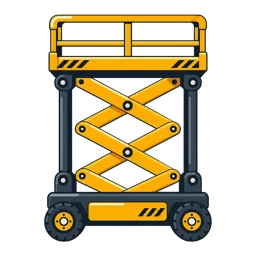
- Need more deck space for two-person work? Consider an electric scissor.
- Need reach over obstacles or around conveyors? See articulating booms.
Contact
Send aisle drawings, doorway dimensions, and target heights via contact.