Start with the load and the aisle
- Maximum pallet weight, dimensions, and stacking height determine capacity and mast type.
- Aisle width, turning radius at intersections, and door clearance decide the chassis size and counterbalance style.
Interior slab vs. exterior yard
- Interiors in Omaha’s logistics facilities typically require non-marking tires and electric power for air quality. Battery runtime planning matters over long shifts.
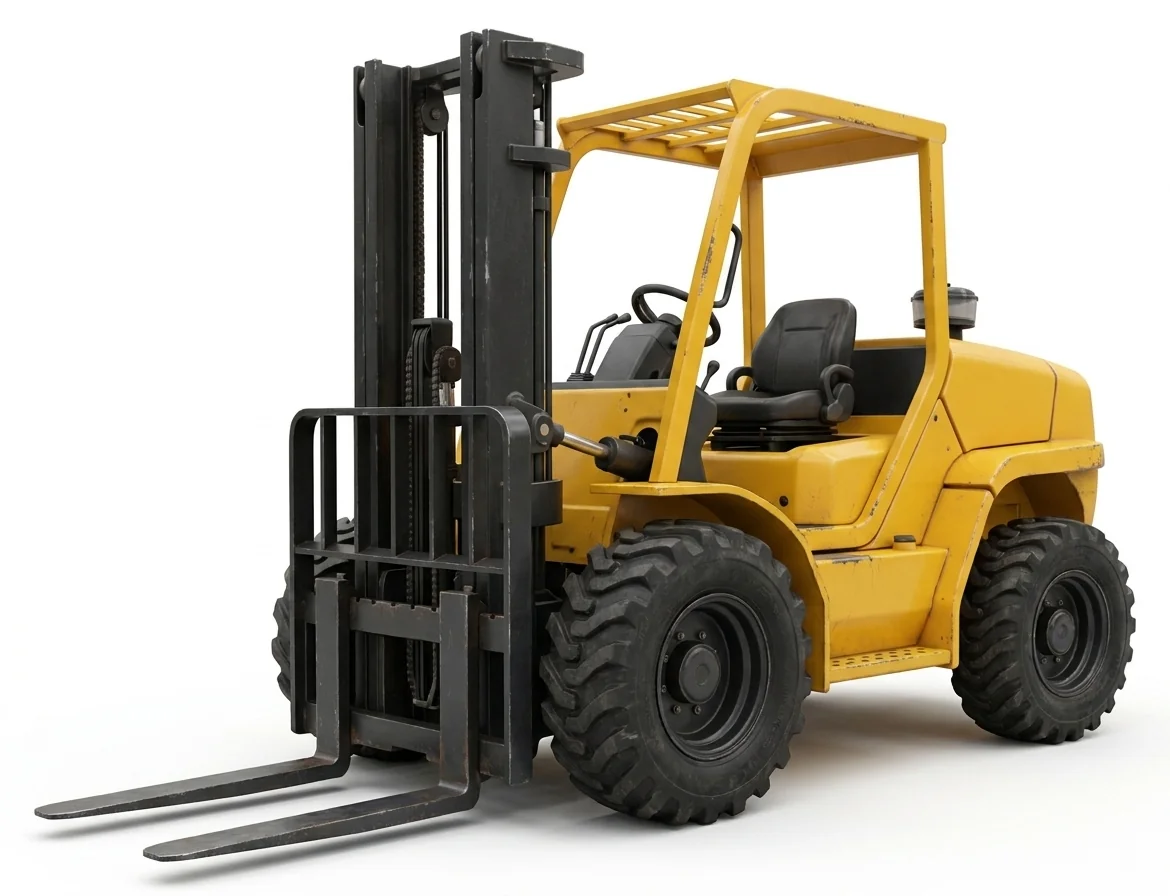
- Exterior aprons and laydown yards can include uneven or wet patches, especially during seasonal thaw on clay-based subgrades. Pneumatic or rough-terrain forklifts are considered for those routes, subject to site rules and the unit’s instructions.
Mast and attachment implications
- Two-stage masts fit lower doorways; three-stage masts reach higher racking under limited overhead.
- Side-shifters and fork positioners affect placement precision and usable aisle width; verify with racking and product packaging.
When a different machine fits better
- Need to place loads over parapets or onto roofs? See a telehandler.
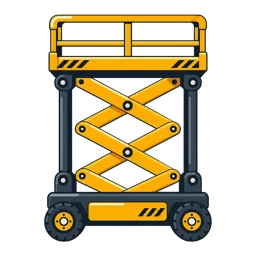
- Moving people, not pallets, to elevated tasks? Visit aerial lifts or vertical mast lifts.
Omaha use patterns
- High-density racking, frequent dock cycles, and mixed-temperature storage areas create transitions between dry, cold, and ambient zones. Clearances, condensation, and floor conditions in those zones should be part of the plan.
Contact
Bring pallet specs, aisle drawings, and floor details to contact.