Articulating vs. telescopic in practice
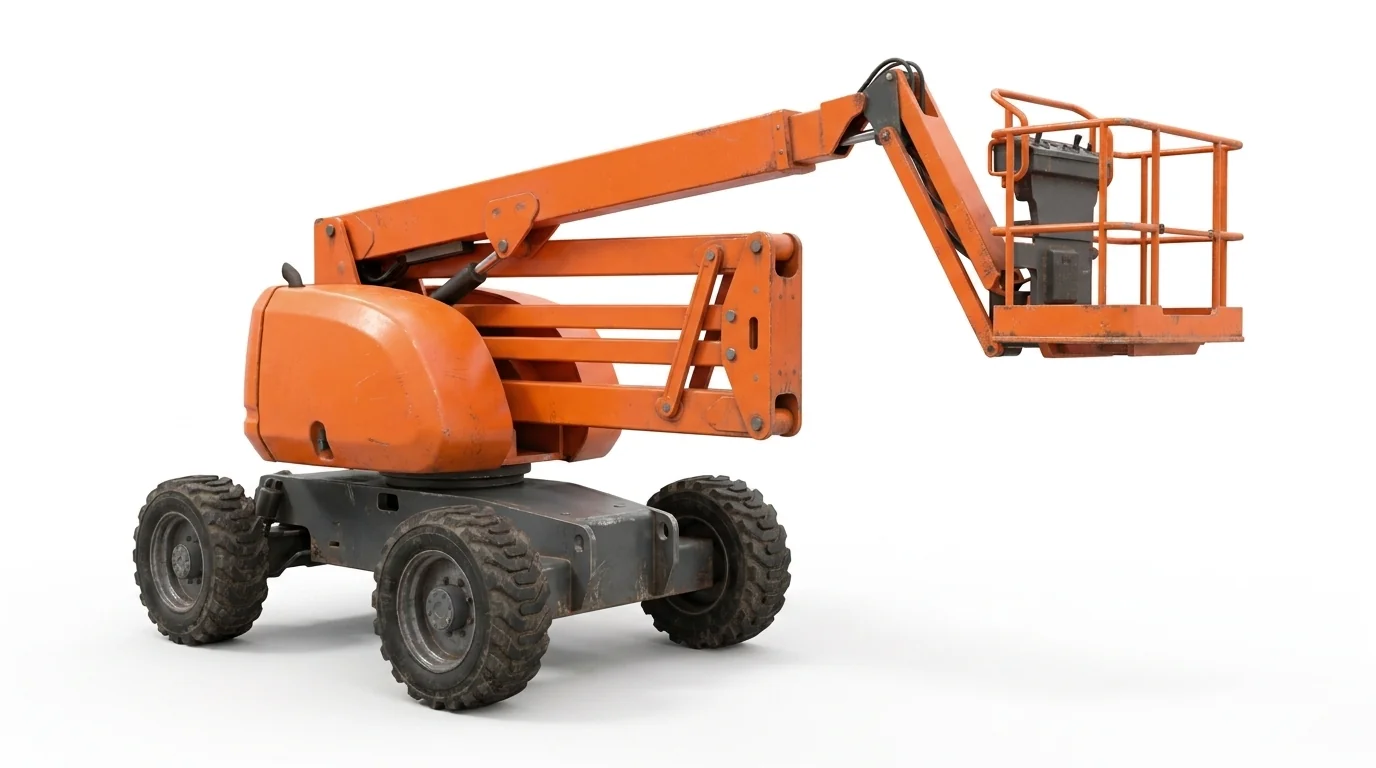
- Articulating booms: Multiple joints step up and over obstacles like conveyors, piping, or architectural projections. Useful for maintenance inside busy facilities and for façade details with limited ground room.
- Telescopic booms: Straight sections extend for longer horizontal reach and quicker positioning where the approach area is open.
Compare broader aerial options at /aerial-lift-rental/ if the task is primarily vertical.
Omaha conditions that shape boom decisions
Exterior approaches can include soft clay during thaw or after storms. That influences tire selection, ground clearance, and travel plans through staging areas. Indoors, many floors are polished or coated; low‑emission machines with non‑marking tires reduce surface impact and address ventilation limits.
Measurements to confirm before selecting a boom
- Required working height and horizontal reach to clear façades or equipment
- Minimum turning radius and machine width for gates and interior doors
- Floor loading limits for mezzanines or elevated slabs
- Approach grades, curb transitions, and any soft spots along the route
When a scissor is more efficient
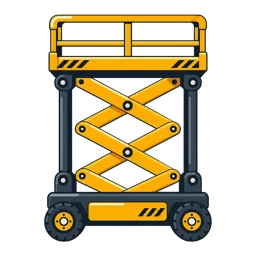
If the task sits straight above a clear floor and benefits from a wide deck for tools or panels, a scissor often reduces repositioning. See /electric-scissor-lift-rental/ for indoor slabs or /rough-terrain-scissor-lift-rental/ for exterior ground.
Related material handling on Omaha sites
Boom work often pairs with forklifts or telehandlers for staging parts and hardware. Explore /forklift-rental/ and /telehandler-rental/ if material movement is part of the plan.