Determine what lives inside and how often it turns
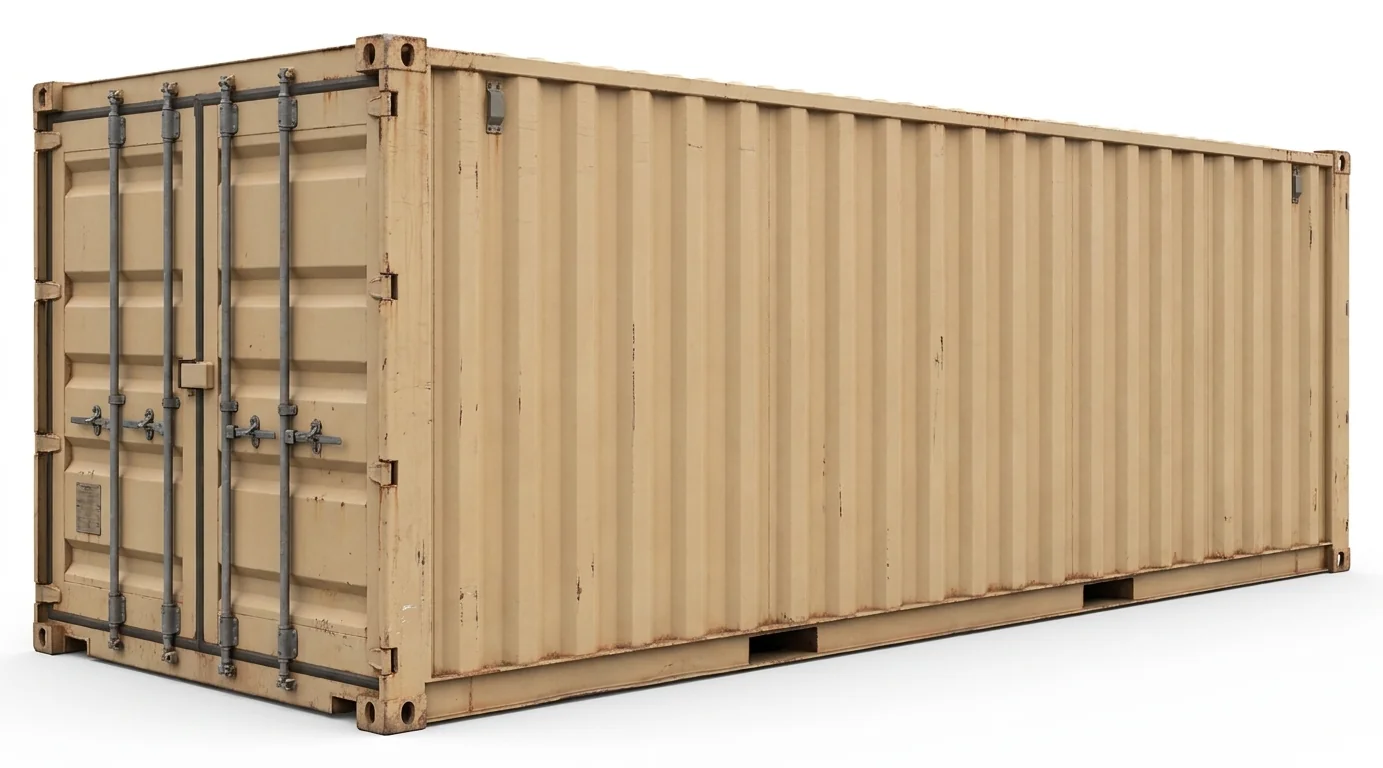
Tool cribs, palletized parts, and temperature-sensitive items have different access frequencies and floor-load implications. Map door swing space and aisle clearance. For inventory supporting aerial work, confirm how scissor lifts or forklifts approach the container face; see /forklift-rental/ for handling inside yards and /electric-scissor-lift-rental/ for indoor picks.
Omaha surface and weather impacts
- Clay-rich subgrade can rut under the container’s corner castings during wet periods, making doors hard to open and floors go out of level.
- Freeze–thaw cycles shift support points. A prepared pad or heavier base course helps maintain alignment through seasonal changes.
- Where containers serve cold storage adjacencies, consider condensation potential and airflow around parked boxes.
Access route, delivery, and relocation
- Delivery truck paths must clear low power lines, tight turns, and soft shoulders. Measure curb cuts and turning radii from the nearest firm roadway to the set point.
- If the box will later move from the construction fence line to an interior apron, confirm gate widths, slab capacities, and any non-marking requirements for handling equipment.
Placement relative to work
- Can the container sit below dock height with ramps, or should it align with dock level for pallet flow?
- Will boom or scissor lifts operate nearby? Keep swing paths and lift approach lanes open; see /boom-lift-rental/ and /rough-terrain-scissor-lift-rental/ when staging mixed fleets in the yard.
Sizing and configuration constraints
- Length and height must clear overhead obstructions on the route.
- Door orientation should match the traffic pattern: dock-facing for pallet turns, yard-facing for tool access.
- Security level depends on location within or outside the active fence line.
Actual site conditions, equipment instructions, and procedures dictate how containers integrate with exterior or elevated work zones.